Importance of Experienced Faculty and Practical Learning in Aerospace Engineering
Aerospace engineering is one of the most specialized and technology-driven fields of engineering. It involves the design, development, testing, operation, and maintenance of aircraft, spacecraft, propulsion systems, and related components. Because the industry demands a combination of theoretical knowledge, technical skills, precision, and practical experience, choosing the right educational environment is an important decision for aspiring aerospace engineers.
Two factors that can make a significant difference in an aerospace engineering student's education are experienced faculty and practical learning. While classroom theory provides the foundation, experienced instructors and hands-on exposure help students understand how engineering concepts are applied in real-world aerospace environments.
What Is Aerospace Engineering?
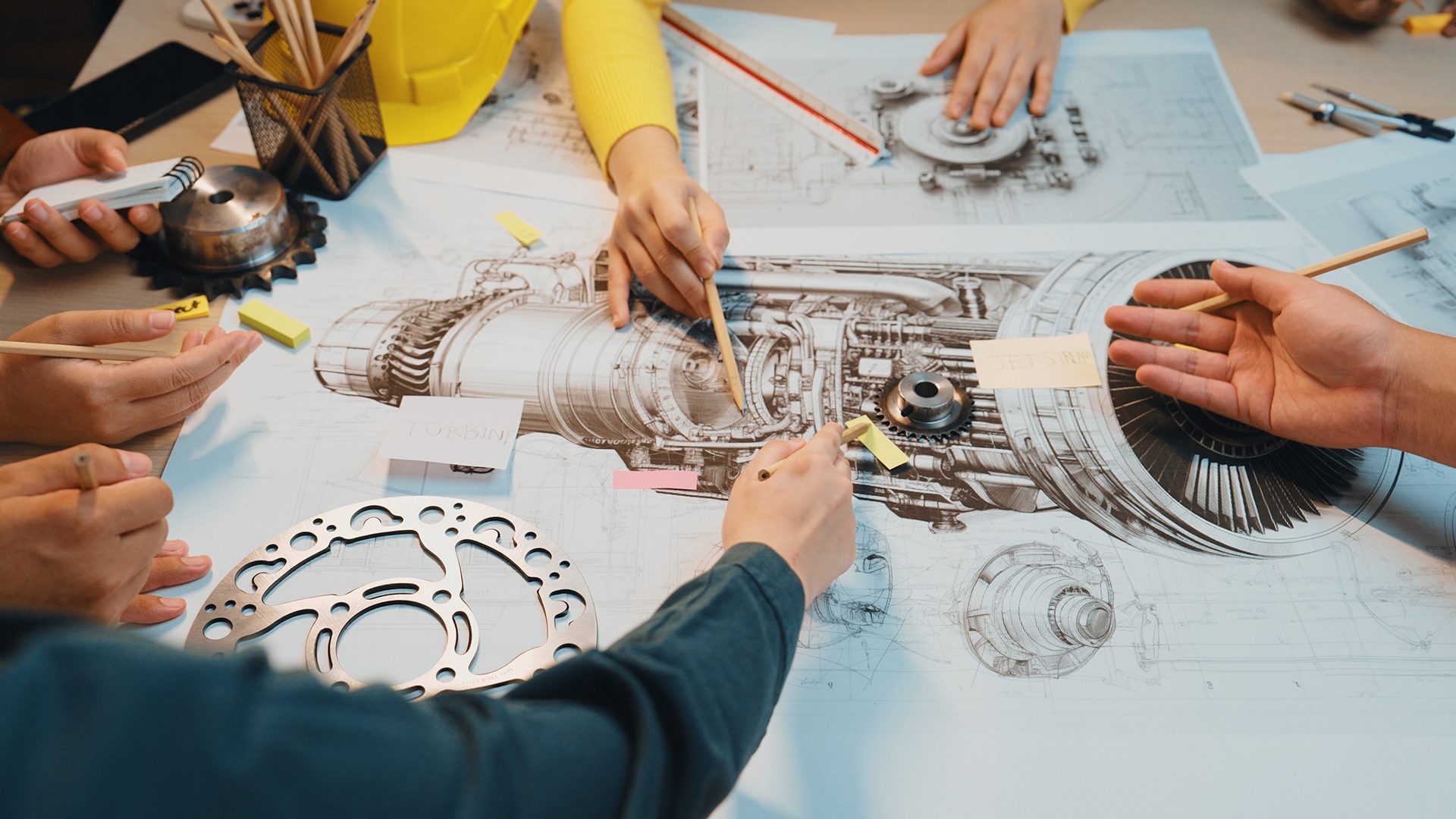
Aerospace engineering is broadly concerned with technologies related to flight and space. It includes areas such as aircraft design and development, aerodynamics, propulsion systems, aircraft structures, avionics, flight systems, materials and manufacturing, aircraft testing and maintenance, and spacecraft and space technologies.
The field requires strong knowledge of mathematics, physics, engineering principles, computer applications, and technical problem-solving. As aviation and aerospace technologies continue to develop, students need more than textbook knowledge to prepare for professional careers.
Why Experienced Faculty Matter in Aerospace Engineering
1. Stronger Understanding of Complex Concepts
Aerospace engineering includes many technical concepts that can be challenging for students. Topics such as aerodynamics, propulsion, aircraft structures, and flight systems require careful explanation. Experienced faculty can simplify complex subjects through practical examples and industry-related applications, so students understand why and how engineering principles are used in aircraft and aerospace systems, instead of simply memorizing them.
2. Industry-Oriented Knowledge
Experienced instructors can bring professional perspectives into the classroom. Their knowledge of industry practices can help students understand how engineering concepts translate into actual aerospace applications.
Students can learn about:
- Engineering standards
- Safety considerations
- Technical documentation
- Problem-solving approaches
- Quality requirements
- Professional discipline
- Industry expectations
This exposure can help bridge the gap between academic learning and professional requirements.
3. Better Guidance for Career Development
Aerospace engineering offers several career paths. Depending on their interests and skills, students may explore areas related to aircraft design, manufacturing, testing, maintenance, propulsion, avionics, or other aerospace technologies. Experienced faculty can help students identify their strengths and understand different career possibilities, and their guidance can also help students make informed decisions about further education and professional development.
4. Learning Through Real-World Examples
A good instructor can connect classroom concepts with real engineering situations. For example, instead of only explaining aircraft propulsion theoretically, faculty can discuss how propulsion systems contribute to aircraft performance and operational efficiency. Similarly, lessons about aircraft structures can be connected to safety, durability, and design requirements. These examples make learning more engaging and easier to understand.
Why Practical Learning Is Important in Aerospace Engineering
Aerospace engineering is highly practical. Engineers are expected to apply theoretical knowledge to solve technical problems and work with complex systems. Practical learning gives students opportunities to understand engineering concepts beyond textbooks.
1. Converts Theory into Application
Classroom education teaches students the principles behind aerospace engineering. Practical training helps them understand how those principles are applied. For example, students studying aircraft systems can gain a better understanding when they observe or work with relevant equipment, components, models, or practical exercises. This connection between theory and application makes technical knowledge more meaningful.
2. Develops Technical Skills
Hands-on learning can help students develop technical skills that may be difficult to acquire through lectures alone. Depending on the course and facilities available, practical exposure can involve:
- Aircraft components
- Engineering tools
- Technical equipment
- Laboratory exercises
- Aircraft systems
- Maintenance-related activities
- Design and simulation exercises
- Industry-oriented projects
These experiences can help students become more comfortable working with technical systems.
3. Improves Problem-Solving Abilities
Aerospace engineers frequently deal with complex technical challenges. Practical learning allows students to encounter problems and think about how to solve them. Instead of simply learning the correct answer, students can develop the ability to identify a technical problem, analyze its possible causes, apply engineering principles, evaluate possible solutions, and test or verify the solution. This problem-solving approach is valuable in professional engineering environments.
4. Builds Confidence
Students can feel more confident when they have practical experience with the concepts they have studied. Working with equipment, components, projects, and technical exercises allows learners to become familiar with professional environments. This confidence can be especially useful when students transition from education to employment.
Practical Learning and Industry Readiness
One of the biggest advantages of practical education is improved industry readiness. Aerospace organizations require professionals who can understand technical information and apply it accurately. Employers value candidates who can combine academic knowledge with practical skills, professional discipline, and problem-solving ability.
Practical learning can help students become familiar with the type of technical thinking expected in the industry. It can also encourage important professional qualities such as:
- Attention to detail
- Safety awareness
- Teamwork
- Technical communication
- Discipline
- Responsibility
- Analytical thinking
These qualities are particularly important in aerospace-related careers, where precision and safety are critical.
The Role of Projects in Aerospace Engineering Education
Projects provide another effective way to combine theory and practical learning. Through projects, students can work collaboratively to understand a problem, research possible solutions, apply engineering concepts, and present their results.
A project-based learning approach can help students develop both technical and soft skills. For example, students may learn how to:
- Plan technical work
- Research engineering problems
- Analyze information
- Work as a team
- Document their findings
- Present technical solutions
- Manage project responsibilities
These experiences can complement classroom education and help students understand how engineering work is organized.
Choosing the Right Aerospace Engineering College
Students planning to pursue aerospace engineering should consider more than just the course name or syllabus when selecting a college. Important factors to evaluate include:
Experienced Faculty
Check whether the institution has qualified and experienced faculty members who can provide strong academic and practical guidance.
Practical Exposure
Look for opportunities to gain hands-on experience through laboratories, technical exercises, projects, equipment, and industry-oriented activities.
Industry-Oriented Curriculum
The curriculum should help students understand both fundamental engineering concepts and current industry requirements.
Learning Environment
A supportive academic environment can encourage students to ask questions, explore technical subjects, and develop their skills.
Career Guidance
Students should also consider whether the institution provides guidance that helps them understand career opportunities and professional development options.
Why Practical and Experienced Learning Matters at SHA-SHIB Group of Institutions
SHA-SHIB Group of Institutions focuses on aviation and aerospace-related education with an emphasis on developing technically skilled and disciplined professionals. The group has 32 years of experience and offers aerospace engineering education with skilled and expert faculty members. Its programs are designed with industry requirements in mind, helping students develop technical knowledge alongside practical understanding.
For students interested in building a career in aerospace and aviation, an educational approach that combines experienced faculty, technical education, practical exposure, and industry-oriented learning can provide a strong foundation for future professional growth.
Final Thoughts
Aerospace engineering is a field where precision, technical knowledge, practical skills, and continuous learning all play an important role. Classroom theory provides students with the fundamental concepts, but practical learning helps them understand how those concepts work in real-world situations.
At the same time, experienced faculty can provide valuable guidance, explain complex engineering principles, connect lessons with industry applications, and help students prepare for professional challenges.